The Ford Foundation Continues to Back the World Wide Web Consortium
The Ford Foundation is continuing its backing of the World Wide Web Consortium, according to a headline carried by newsbreaks.infotoday.com.
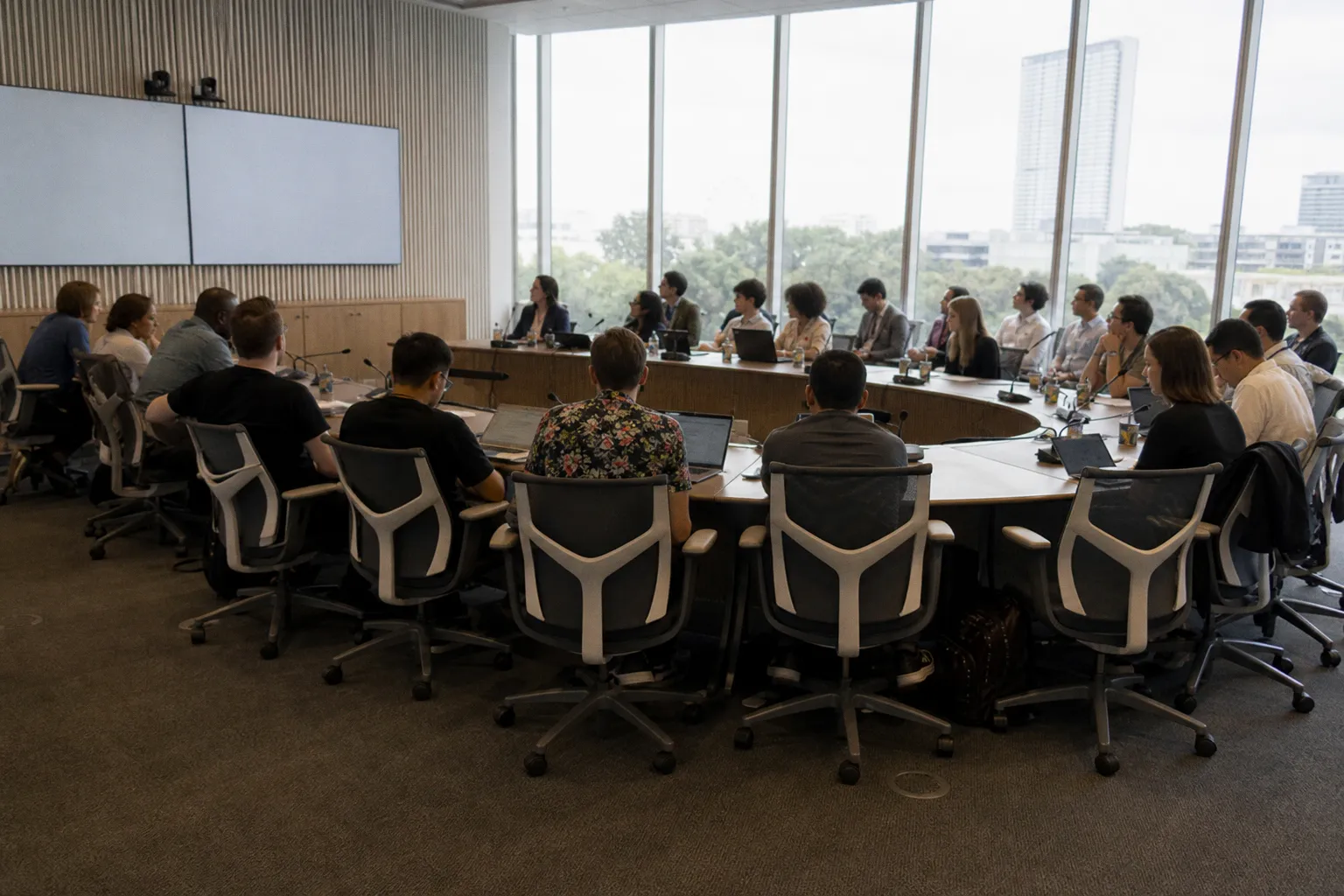
Why W3C Funding Reaches Your Dashboard
The Consortium, commonly known as W3C, is the organization that ratifies the web specifications we use every day without consciously thinking about them. When you toggle a switch inside the block inspector, when a screen reader announces your heading hierarchy, or when your CSS grid layout renders consistently across browsers — those behaviors trace back to standards the W3C maintains and publishes.
Philanthropic support from institutions like Ford matters because the W3C operates as a member-driven body. When large funders stay in the picture, they help keep the standards process independent from any single vendor's commercial interests. Consequently, we get specifications shaped by public-interest priorities: accessibility, internationalization, and open interoperability, rather than walled-garden lock-in. For our sites, this means the building blocks we rely on are more likely to remain stable, documented, and vendor-neutral.
What To Verify in Your Own Setup
Since the available reporting is thin on operational specifics, our immediate takeaway is a short verification routine rather than a code change. Let us walk through three checks we can run today:
- Accessibility audit. Open the block inspector on your most-used template, then run an accessibility plugin such as WP Accessibility or Accessibility Checker. The W3C's Web Content Accessibility Guidelines underpin these tools.
- Markup validation. Run your front-end HTML through the W3C Markup Validation Service. If you see deprecated attributes or unclosed elements, that is a signal a theme or custom block is drifting from current specifications.
- Cross-browser rendering. Toggle between a recent Chrome, Firefox, and Safari build, and confirm that your Gutenberg blocks degrade gracefully. Standardized rendering is what makes this consistency possible in the first place.
The Broader Open-Web Picture
Finally, it is worth noting that open web standards underpin not only the sites we build but the wider digital economy — from publishing platforms to adjacent sectors such as prediction markets that processed $5.4 billion during the World Cup 2026 knockout stage. Whenever a foundation strengthens W3C's independence, it reinforces the shared infrastructure on which all of these systems depend.
For our next session, we will look at how to interpret W3C draft recommendations as they relate to upcoming Gutenberg features, so you can prepare your themes and custom blocks ahead of major specification changes.